Initial Purpose
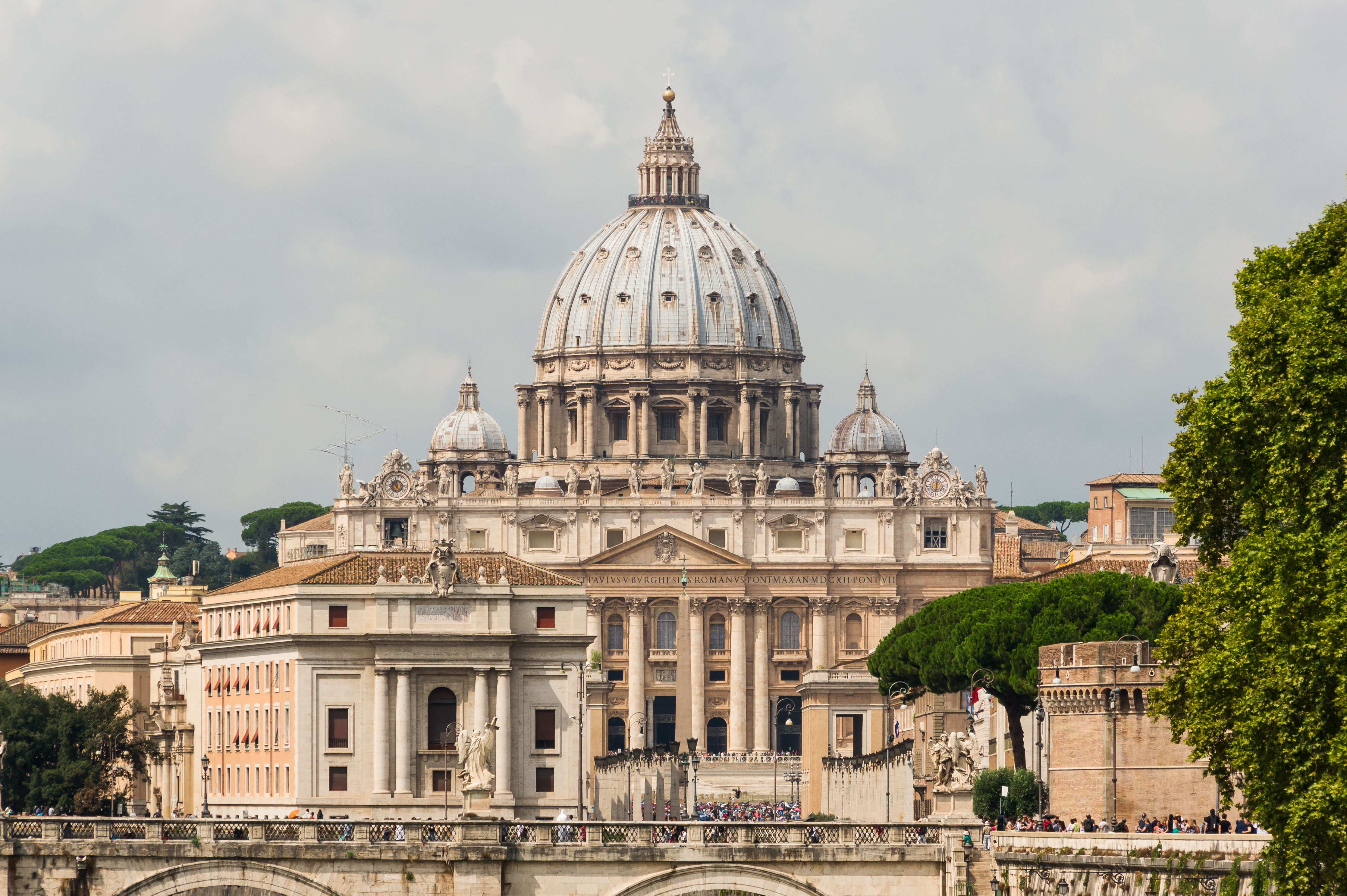
The propagation of Jesus Christ's teachings and the founding of Christian communities were the primary goals of the Roman Catholic Church in its early years. The mission of the Church was to uphold the apostles' teachings, preserve doctrinal unity, and use the sacraments to save souls. Evangelization, conversion, and the development of Christian followers were its main concerns. The goal of the Church also included pastoral care, spiritual direction, and the celebration of sacraments like Eucharist and Baptism. It aimed to develop and strengthen peoples faith by creating a place of worship and encouraging a close relationship with God. The early Church also valued charitable deeds and helping the less fortunate within the Christian community. Through councils and synods, the Roman Catholic Church also participated in addressing theological problems and settling disagreements. By putting an end to heresies and fostering cooperation among Christians, it aimed to establish and uphold the orthodoxy of Christian ideas.
How did the purpose of the Roman Catholic church change over time?
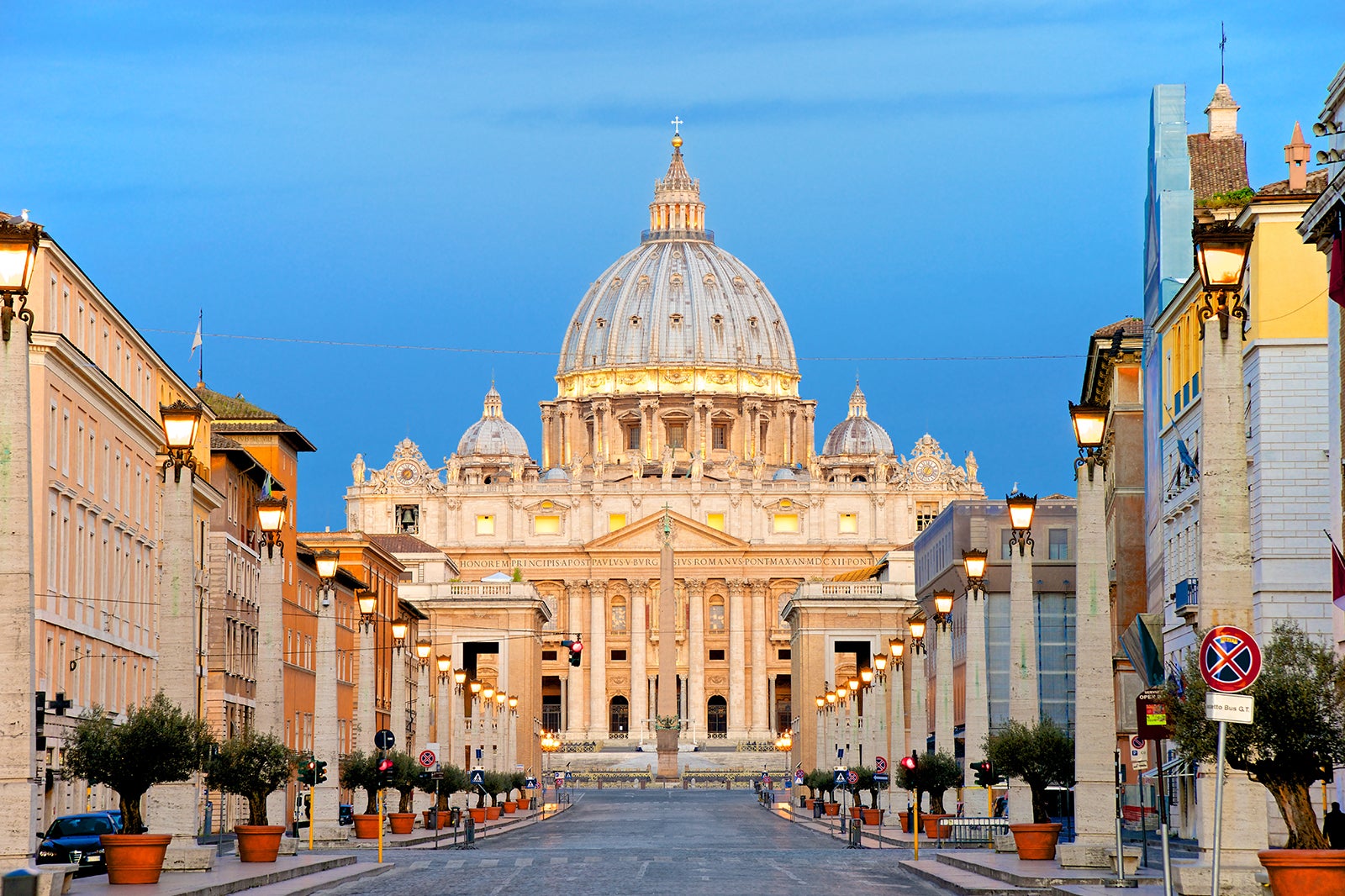
Early Christianity: During its earliest years, the Church's main goals were to propagate the teachings of Jesus Christ, form Christian communities, and convert people to Christianity. Additionally, it aimed to uphold doctrinal unity and the apostles' teachings.
Creation of the Holy Roman Empire: The 4th century saw the adoption of Christianity as the official religion of the Roman Empire, which marked a dramatic change in the mission of the Church. The Church enlarged its mission to encompass the upholding of the religion, the founding of a Christian empire, and the unification of political and religious power with the conversion of Emperor Constantine, giving it more clout and influence. The Papacy significantly increased its power and influence during the Middle Ages. The administration of sacraments, the control of religious doctrine and practice, and the exercise of temporal authority all became part of the Church's mission. The Pope rose to prominence in politics and served as the head of Western Christianity.
The Crusades: From the 11th through the 13th century, a series of military operations known as the Crusades were organized and funded by the Church. The goal was to liberate the Holy Land from Muslim rule and safeguard Christian tourists. During this time, the Church's mission included using military force to defend and spread Christendom.
Renaissance and Protestant Reformation: Europe saw significant transformation from the 14th through the 17th century, including the renaissance and the protestant reformation. Intellectual and religious movements posed obstacles to the Church's mission, which caused Christianity to split into several denominations. The Council of Trent (1545–1563), which the Roman Catholic Church convened in response, sought to reform the Church, reaffirm its doctrines, and halt the growth of Protestantism.
Vatican I and II: The Church convened two important ecumenical councils in the 19th and 20th centuries: the First Vatican Council (1869-1870) and the Second Vatican Council (1962-1965). These councils sought to address current challenges, encourage internal changes, and modernize the Church. Significant changes were brought about, particularly by the Second Vatican Council, including alterations to the liturgy, a rise in popular participation, and communication with other religious traditions. Focus on Social Justice: In recent years, the Church has placed more and more emphasis on its responsibility to advance social justice and deal with world problems including poverty, injustice, and human rights. Popes such as Pope John Paul II, Pope Benedict XVI, and Pope Francis have stressed the Church's devotion to the underprivileged, vulnerable, and disadvantaged while promoting world peace, environmental responsibility, and solidarity with those who are less fortunate.
What changes did the Roman Catholic Church make to the lives of first nations?
Depending on the exact historical background, geographic location, attitudes and behaviors of both Indigenous groups and the Church, interactions between the Roman Catholic Church and First Nations peoples vary substantially. It is crucial to remember that First Nations peoples' interactions with the Catholic Church varied and cannot be generalized to all areas and eras. However, the following noteworthy alterations and effects are listed:
Advent of Catholic Missionaries: There were attempts to convert First Nations people to Christianity with the advent of Catholic missionaries, notably during the era of European colonialism and exploration. Catholicism and its teachings, such as the Gospel, sacraments, and Christian beliefs, were sought to be spread through missionaries. Some people's religious and spiritual life were profoundly impacted by this.
Assimilation of First Nations peoples into European culture and religion: The Catholic Church and other Christian churches occasionally attempted to integrate First Nations peoples into European culture and religion. Indigenous spiritual activities, rites, and languages were frequently discouraged or even repressed in this process. Some components of Indigenous culture were intentionally suppressed or forbidden because they were seen to be incompatible with Catholicism. Construction of Residential Schools The Catholic Church was a major player in the administration of residential schools in several areas, especially in Canada. These facilities were a component of a government-led strategy to assimilate Indigenous children into Western society while destroying their own languages and traditions. Children from Indigenous tribes were subjected to maltreatment, forced separation from their families, and cultural repression while attending these institutions. Contrary to assimilation efforts, there have been cases where Catholic missionaries have contributed to the preservation of Indigenous languages and traditions. Some missionaries strove to preserve Indigenous languages, customs, and spiritual practices because they valued Indigenous traditions.
Advocacy for Indigenous Rights: Over the past several decades, the Catholic Church and other Christian faiths have become more aware of historical injustices and have taken an active part in promoting Indigenous rights. To do this, one must acknowledge the damages brought about by the residential school system, support truth-telling and processes for peace, and take an active part in initiatives for justice, healing, and peace with Indigenous communities.
Contact
Contact Us